Worlds of Flavor Conference Program Overview
Asia on our Menus: East by Southeast
NOVEMBER 4–6, 2026
Designs on Deliciousness, from Japan and Korea to Singapore, Thailand, and Vietnam
JUMP TO:
What to Expect at Worlds of Flavor 2026
Chefs and tradition-bearers from around the world gather to unpack the flavor architectures of Japan, Korea, Vietnam, Thailand, and Singapore. Across three days, you’ll see how techniques passed down for generations are sparking the next era of American menu innovation.

DAY 1 (NOV 4)
Welcome and World Marketplace
Opening remarks and a general session kick off the conference before an evening World Marketplace tasting and dinner.

DAY 2 (NOV 5)
Workshops, Tastings, and Sessions
A full day of immersive sessions, hands-on kitchen workshops, and a World Marketplace tasting lunch await.

DAY 3 (NOV 6)
Welcome and World Marketplace
Wrap up your time at Worlds of Flavor with morning sessions, concluding remarks, and a final World Marketplace experience.
-
Talks and panel conversations with chefs and industry experts
-
Hands-on breakout sessions in smaller groups
-
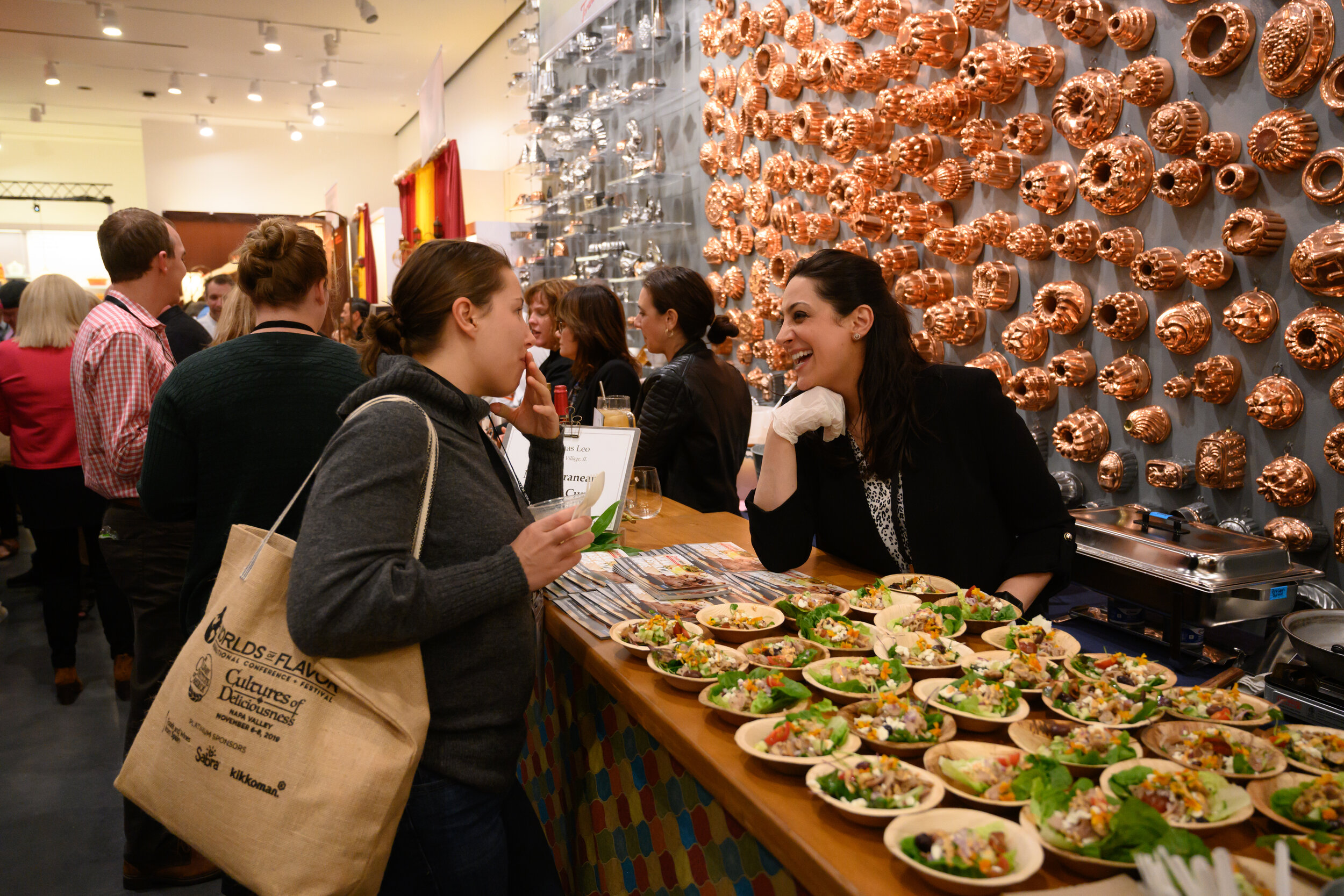
Tastings and meals featuring guest chefs, colorful market stalls, cultural experiences, and more
-
Additional tastings held in between general sessions
-
Dedicated time to connect and share your love of food with fellow conference attendees
Worlds of Flavor experiences include:
Asian influences take center stage on the American table.
For thousands of years, the food cultures of East and Southeast Asia have been shaped by geography, trade, migration, and ritual, producing some of the world’s most influential cuisines.
This November, the 28th Annual Worlds of Flavor Conference and Festival® brings a distinguished delegation of chefs and experts from Japan, Korea, Vietnam, Thailand, and Singapore (alongside leading American chefs) to the Culinary Institute of America at Copia in Napa Valley. Together, we'll explore how these traditions are reshaping American menus.
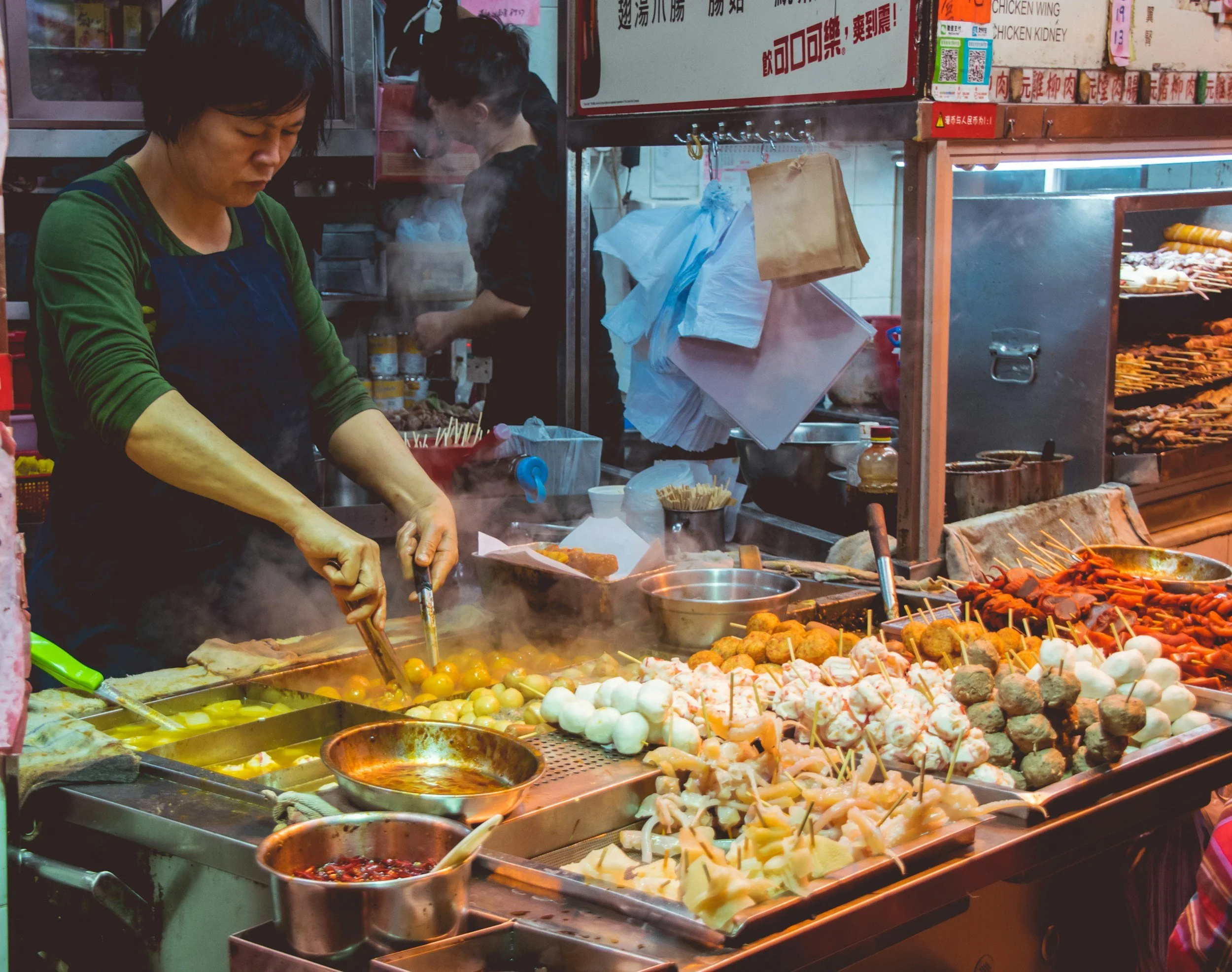
Rooted in Centuries of Tradition
These cuisines represent an extraordinary range. Refined traditions such as Japanese kaiseki and Korean royal cuisine stand in contrast to Buddhist temple cooking, vibrant night markets, family-run neighborhood restaurants, and some of the world's most dynamic fine-dining scenes.
What unites them is a shared pursuit of excellence—complex broths, regional rice and noodle kitchens, layered aromatics, seafood mastery, and plant-forward cooking that elevates even the simplest ingredients, such as tofu and peanuts. The results are dishes that are both delicate and bold, all created from intriguing contrasts of flavor, texture, and temperature.
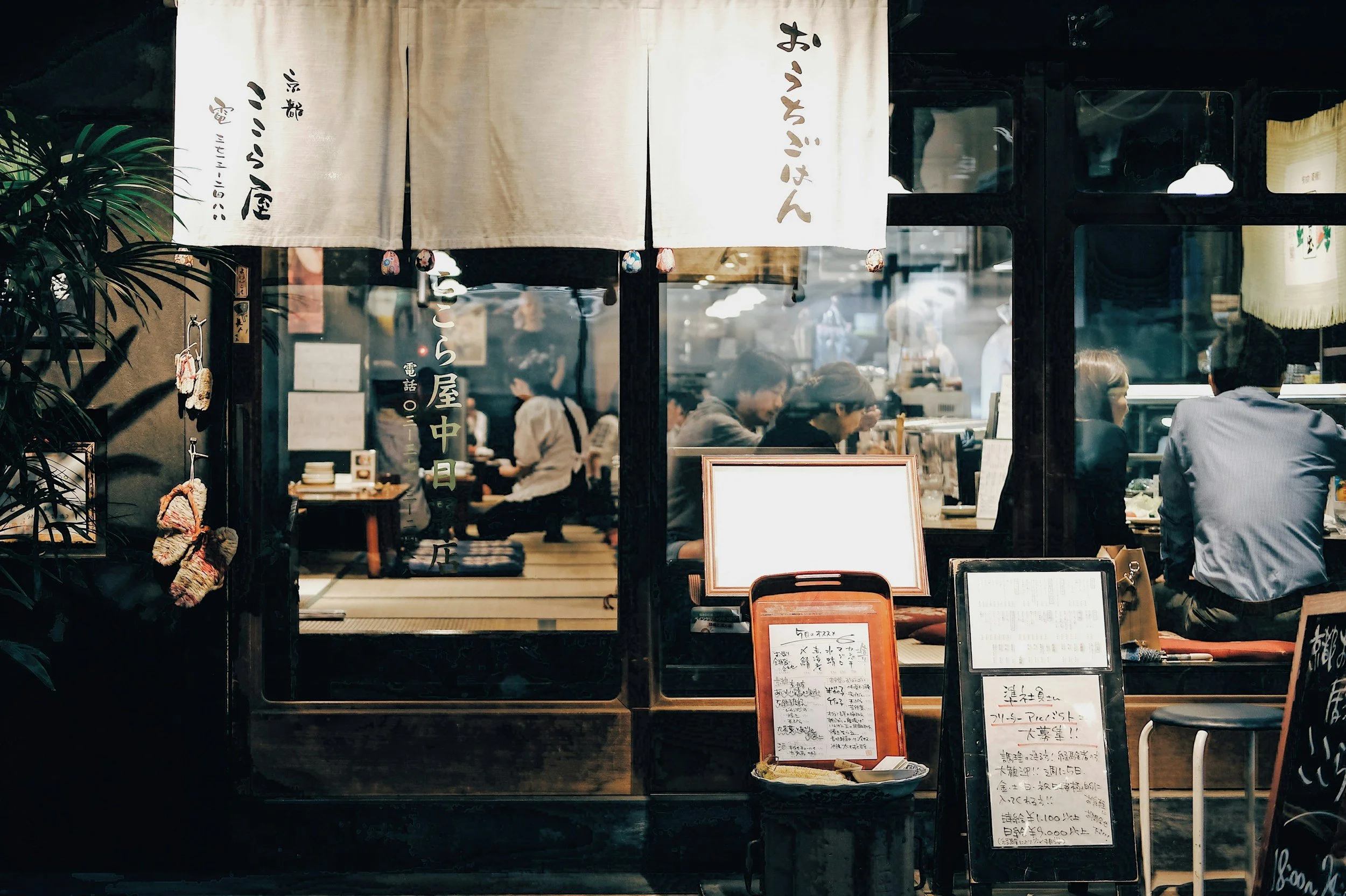
Where Tradition Meets Urban Energy
Across the region, great cities have become laboratories of culinary expression, where centuries of tradition are reimagined through creative risk:
Tokyo, Osaka, and Kyoto: Complementary visions of Japanese cuisine, from cutting-edge dining to seasonal rituals refined over centuries
Seoul: Where royal cuisine, home cooking, street food, temple traditions, and Michelin-starred menus intersect
Bangkok, Hanoi, and Ho Chi Minh City: Thriving street life, regional depth, and world-class reinvention are major culinary influences of Southeast Asia
Singapore: A true crossroads of Chinese, Malay, Indian, and Peranakan traditions, refined through hawker culture and now competing on the global stage
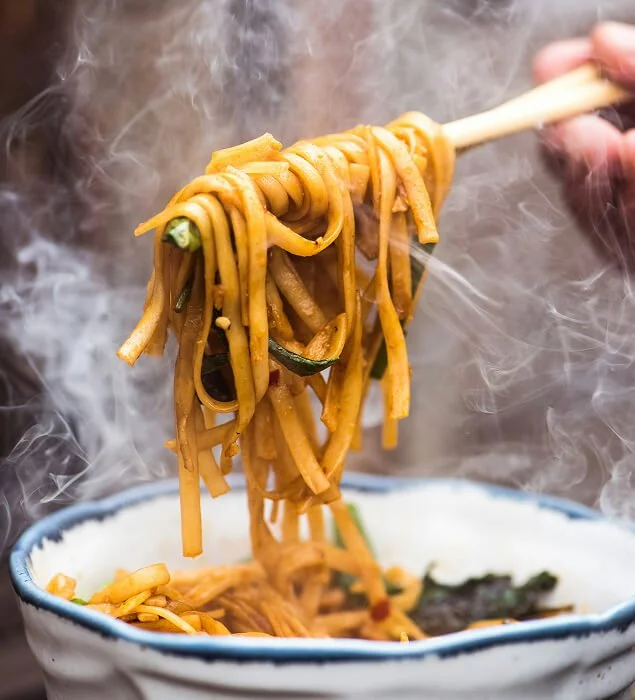
The Building Blocks of Flavor
At Worlds of Flavor, chefs and experts will unpack the flavor systems that define East and Southeast Asian cooking, highlighting:
Ferments and umami through koji, soy-based ferments, dried fish, and fish sauce
Rice and noodles in their many cultural expressions
Aromatics and heat with herbs, chilies, curry pastes, and spice blends
Sea vegetables and heirloom produce
Signature sauces, including Korean gochujang, Thai nam prik, and Vietnamese nước chấm
You’ll see how these systems translate across every format, from tasting menus to fast-casual concepts and large-scale foodservice.
Heritage Meets Innovation
Throughout the conference, guardians of tradition will share techniques passed down through generations, while forward-looking chefs show how those foundations inspire something new. Attendees will taste, firsthand, how these flavors can be adapted for today's diners. But taste is only one aspect of great food: Across the region, dining is inseparable from craft and environment, and we’ll explore how this experience design amplifies flavor and memory, with lessons for every segment of foodservice.
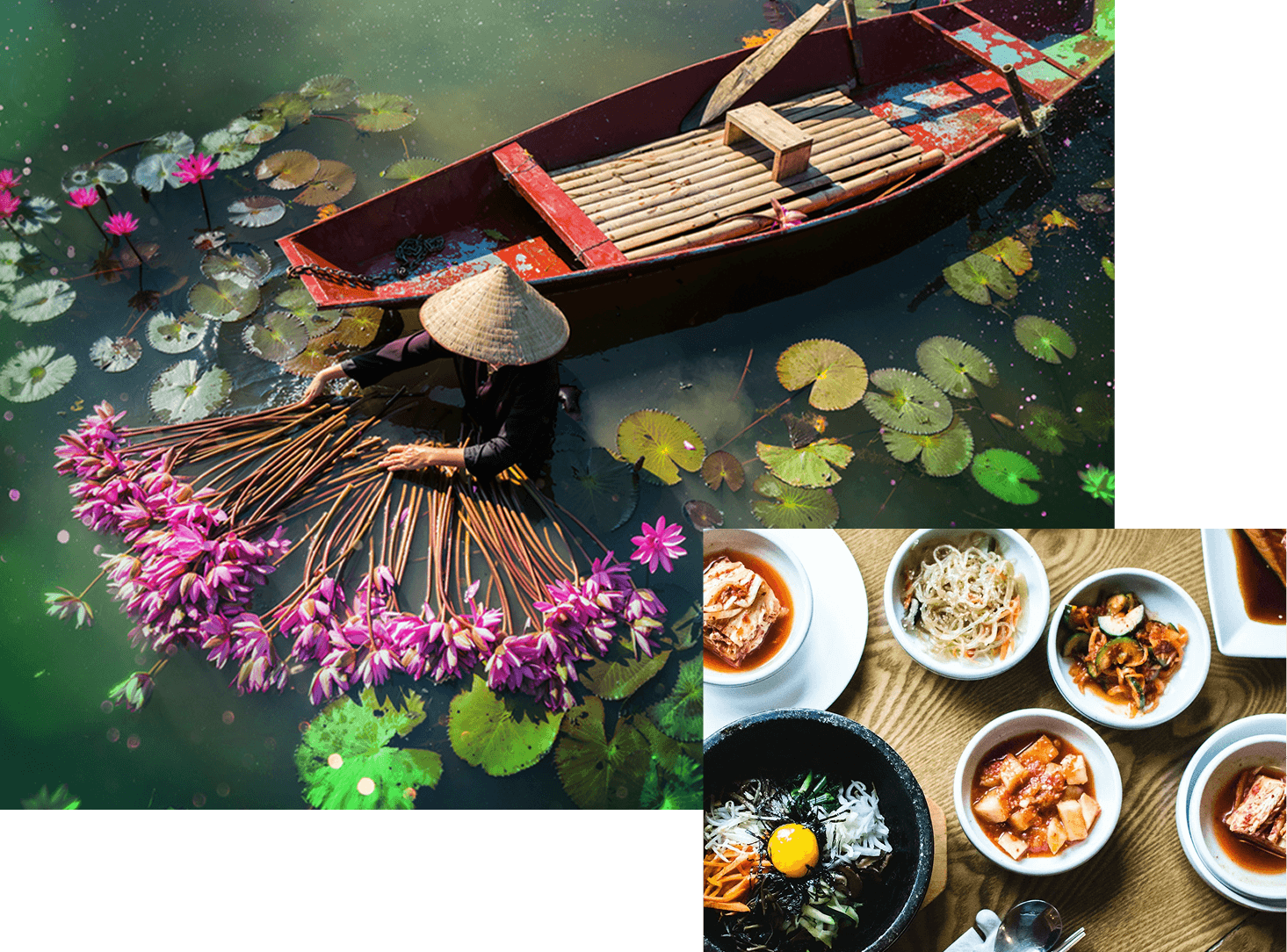
Save your seat at the table for Worlds of Flavor 2026.
Don’t miss your chance to spend three days with the chefs, educators, and food professionals reimagining East and Southeast Asian cuisine. Spots are filling up fast, reserve yours today.